
Simple, tailored solutions that drive sustainable change
Behaviour Design Group has extensive experience applying behavioural psychology in organisations. We have helped both small and large companies achieve measurable results related to their organisational development. Our team consists of experts who are passionate about creating lasting change through evidence-based methods.

Our Services
All of our services are based on Organisational Behaviour Management (OBM). Using OBM as a method, we can understand and change the behaviours that have the greatest impact on the organisation’s goals and results.
-
OBM Training (BAOU/OBM)

OBM Training (OBM/BAOU)
In our OBM/BAOU training program, you’ll learn to understand what drives behavior in the workplace and use that knowledge to improve leadership, the work environment, and business results.
-
Safety Culture
How is a strong safety culture built? A safety culture is built on safe and risky behaviors that are reinforced or weakened within an organization over time (Braksick, 2007). Whether we have a strong safety culture within the organization depends on a high proportion of safe behaviors, both among employees and leaders. A Scientifically Grounded Method There is a wealth of scientific findings…
-
Change management

Change management
Our change management approach is based on Organisational Behaviour Management (OBM). We help your organisation successfully implement strategic initiatives through behavioural changes. At Behaviour Design Group, we have extensive experience implementing strategic initiatives using OBM in areas such as increased upselling, improving customer satisfaction, fostering innovation, and driving cultural transformation.
-
Leadership development

Leadership development for leaders and executive teams
Leadership is one of the most critical factors in an organisation’s success. Through our programs for leaders and executive teams, leaders gain the tools and knowledge they need to effectively address today’s challenges, inspire their teams, and guide the organisation toward future growth.
-
Team and group development

Team and group development
An effective and well-functioning team is one of an organisation’s greatest assets. By investing in team and group development, you can improve collaboration, strengthen communication, and create a work environment where all employees feel valued and perform at their best.
-
Organisational culture

Organisational culture
Culture is often described as something intangible that "sits in the walls" of an organisation. But at its core, our culture is collectively shaped by our daily habits and behaviours. By identifying and systematically influencing these behaviours, it is possible to bring about a positive cultural shift that reaches the entire organisation.
-
Behaviour-based safety (BBS)
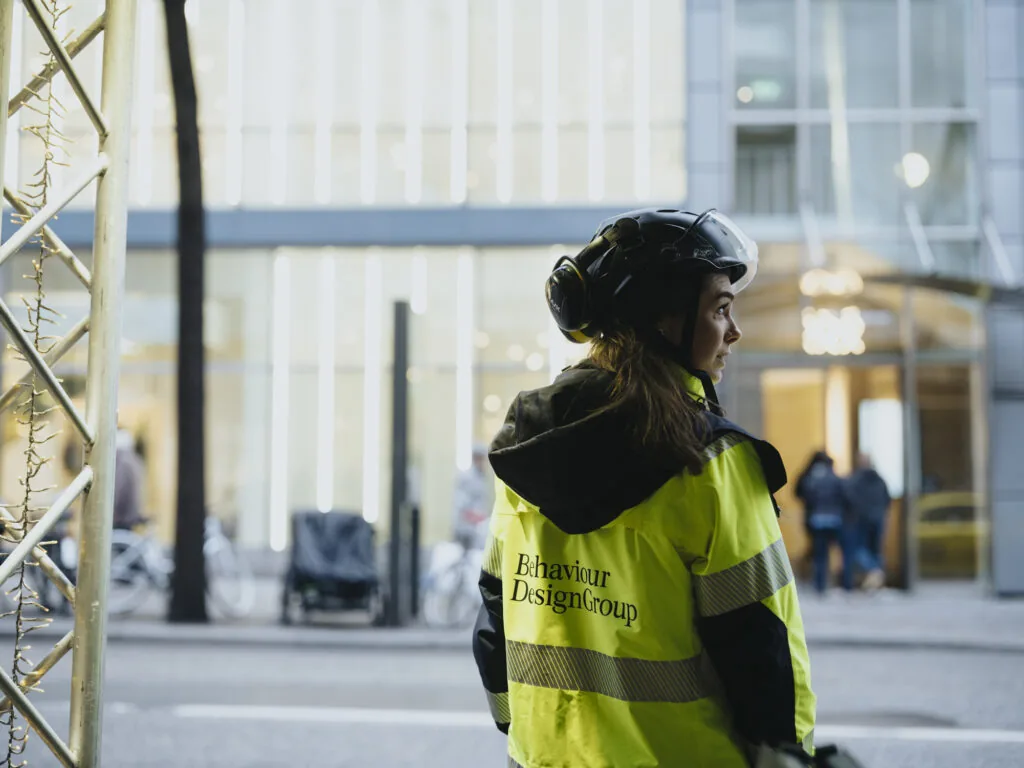
Behaviour-based safety
Behaviour-based safety (BBS) is one of the world’s most effective methods for promoting safe behaviours and building a strong safety culture. The approach focuses on identifying and reinforcing the safe behaviours that prevent incidents and accidents.
-
Training and seminars
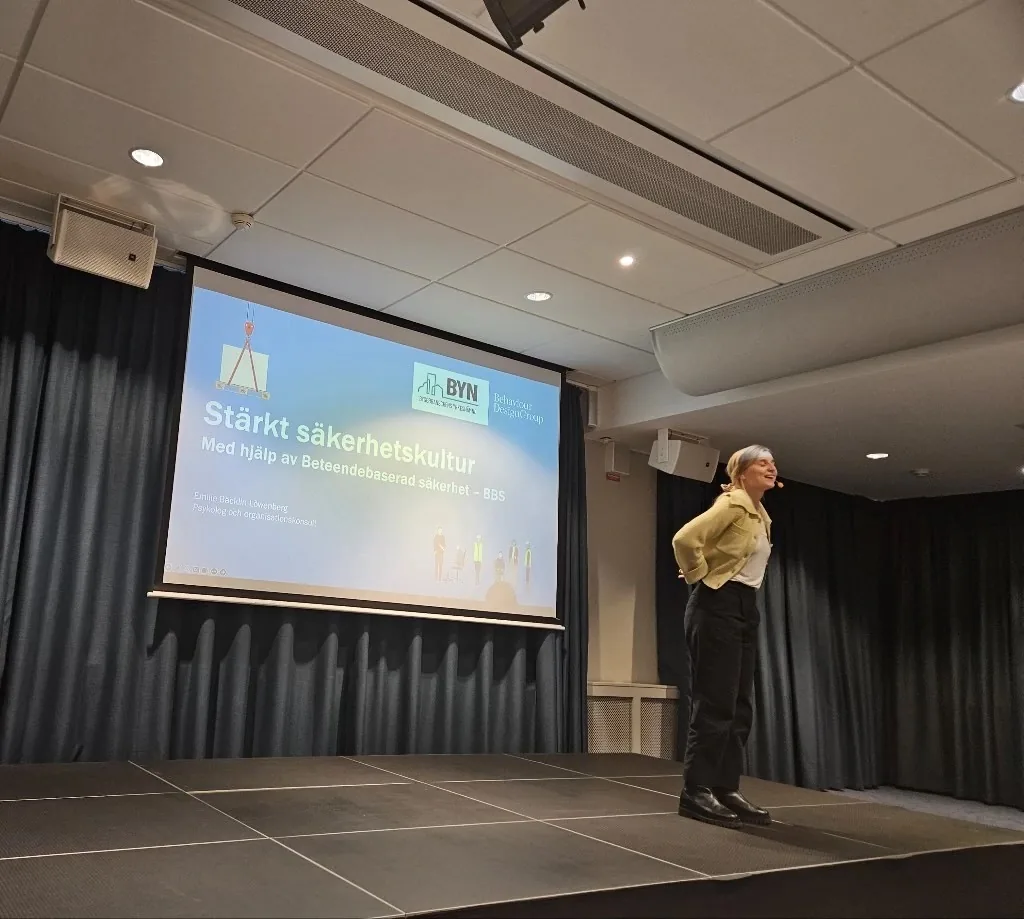
Training and seminars
We offer tailored training and interactive seminars designed to inspire and educate employees, through both short-term initiatives and longer-term training programmes. Whether you want to delve deeper into Organisational Behaviour Management (OBM), Behaviour-Based Safety (BBS), or safety culture, we can provide a programme that delivers the results you’re looking for.
-
OBM Training (OBM/BAOU)
In our OBM/BAOU training program, you’ll learn to understand what drives behavior in the workplace and use that knowledge to improve leadership, the work environment, and business results.
-
How is a strong safety culture built? A safety culture is built on safe and risky behaviors that are reinforced or weakened within an organization over time (Braksick, 2007). Whether we have a strong safety culture within the organization depends on a high proportion of safe behaviors, both among employees and leaders. A Scientifically Grounded Method There is a wealth of scientific findings…
-
Change management
Our change management approach is based on Organisational Behaviour Management (OBM). We help your organisation successfully implement strategic initiatives through behavioural changes. At Behaviour Design Group, we have extensive experience implementing strategic initiatives using OBM in areas such as increased upselling, improving customer satisfaction, fostering innovation, and driving cultural transformation.
-
Leadership development for leaders and executive teams
Leadership is one of the most critical factors in an organisation’s success. Through our programs for leaders and executive teams, leaders gain the tools and knowledge they need to effectively address today’s challenges, inspire their teams, and guide the organisation toward future growth.
-
Team and group development
An effective and well-functioning team is one of an organisation’s greatest assets. By investing in team and group development, you can improve collaboration, strengthen communication, and create a work environment where all employees feel valued and perform at their best.
-
Organisational culture
Culture is often described as something intangible that "sits in the walls" of an organisation. But at its core, our culture is collectively shaped by our daily habits and behaviours. By identifying and systematically influencing these behaviours, it is possible to bring about a positive cultural shift that reaches the entire organisation.
-
Behaviour-based safety
Behaviour-based safety (BBS) is one of the world’s most effective methods for promoting safe behaviours and building a strong safety culture. The approach focuses on identifying and reinforcing the safe behaviours that prevent incidents and accidents.
-
Training and seminars
We offer tailored training and interactive seminars designed to inspire and educate employees, through both short-term initiatives and longer-term training programmes. Whether you want to delve deeper into Organisational Behaviour Management (OBM), Behaviour-Based Safety (BBS), or safety culture, we can provide a programme that delivers the results you’re looking for.
Change Management with Behaviour Design Group
Frequently Asked Questions
-
What industries does Behaviour Design Group work with?
Our method—Organisational Behaviour Management (OBM), including its Behaviour-Based Safety (BBS) branch—can be applied in all industries and situations involving people and behaviour. That is why our range of services and our experience are so broad. We work on everything from increasing sales, improving collaboration, and fostering innovation in business, healthcare, and education, to enhancing safety in the construction and manufacturing industries.
-
How does Behaviour Design Group tailor its services to our needs?
We begin new projects by familiarizing ourselves with the specific assignment at hand, and we have well-developed methods and approaches designed to help us gain a deep understanding of your particular situation and current conditions, as well as to define the goals you wish to achieve. We implement OBM based on our SAFE model, where the first phase—Study—involves identifying the key situations and behaviours that have the greatest impact on the results you want to achieve within your organisation. You can read about completed projects in the Case section.
-
How do we get started with OBM—Organisational Behaviour Management?
Schedule an initial meeting with Behaviour Design Group, and we’ll discuss how we can best work together based on your needs. In our organisational development initiatives, we follow the 4-step SAFE model to implement OBM in practice—read more about this under Our Method.
-
Does Organisational Behaviour Management (OBM) work?
Organisational Behaviour Management (OBM) is a practical and 100% evidence-based approach that focuses on identifying and changing behaviors that produce desired results. We have helped hundreds of companies and organisations change behaviours related to areas such as sales, customer service, safety, and employee engagement—and have yet to encounter a single case where OBM has not worked.
-
How does Behaviour Design Group ensure that we achieve the desired results in our organization?
To achieve your desired results, we will reinforce the behaviours that have the greatest impact on those results. Our method measures and tracks behavioural changes over time, while also monitoring whether the key performance indicators directly linked to the goals are improving as a result of those behavioural changes. This means we will be able to track improvements through concrete metrics throughout the entire process.
Do you have any more questions?
Contact us and we'll be in touch.